Italy · Pasta & noodles
Spaghetti alla carbonara.
Five ingredients, no cream, and one simple trick for a silky sauce that never scrambles.
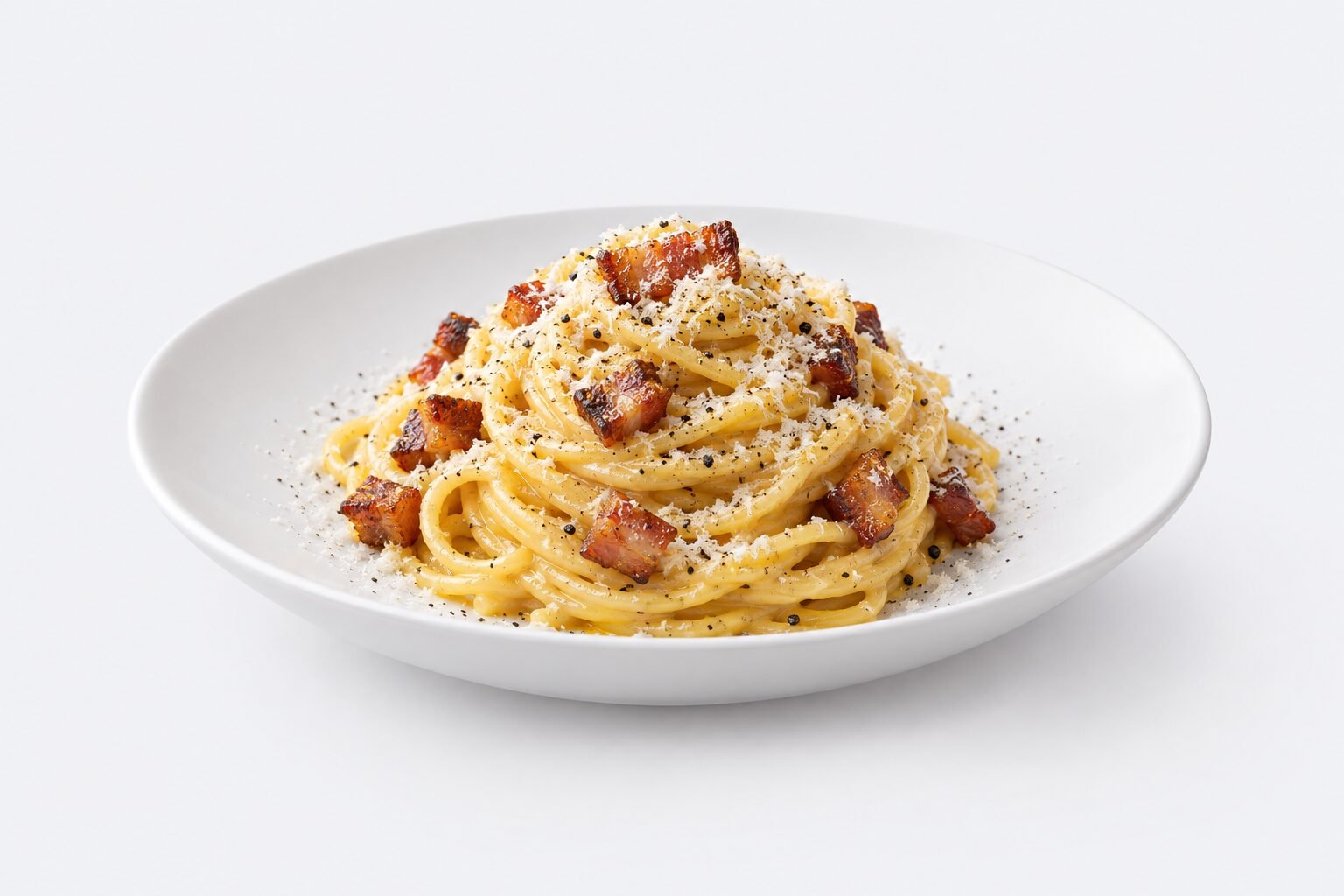
Illustration created with AI
The story of carbonara.
Carbonara is a Roman dish, but a surprisingly young one: it first appears in print only after the Second World War. One popular theory links it to American soldiers in Rome, who brought eggs and bacon from their rations to local cooks.
Whatever its origins, Romans are strict about the recipe: guanciale (cured pork cheek), eggs, Pecorino Romano and black pepper. No cream, no garlic, no onion. The creaminess comes only from eggs, cheese and starchy pasta water.
Origin: Lazio, Italy
Where to find the ingredients in the US.
- Guanciale is sold in Italian delis and online. Thick-cut pancetta is the best substitute; bacon works but adds a smoky taste.
- Pecorino Romano is easy to find. Grate it finely so it melts smoothly.
- Eggs: use the freshest large eggs you can find.
Three steps. That’s it.
What each stage should look like.
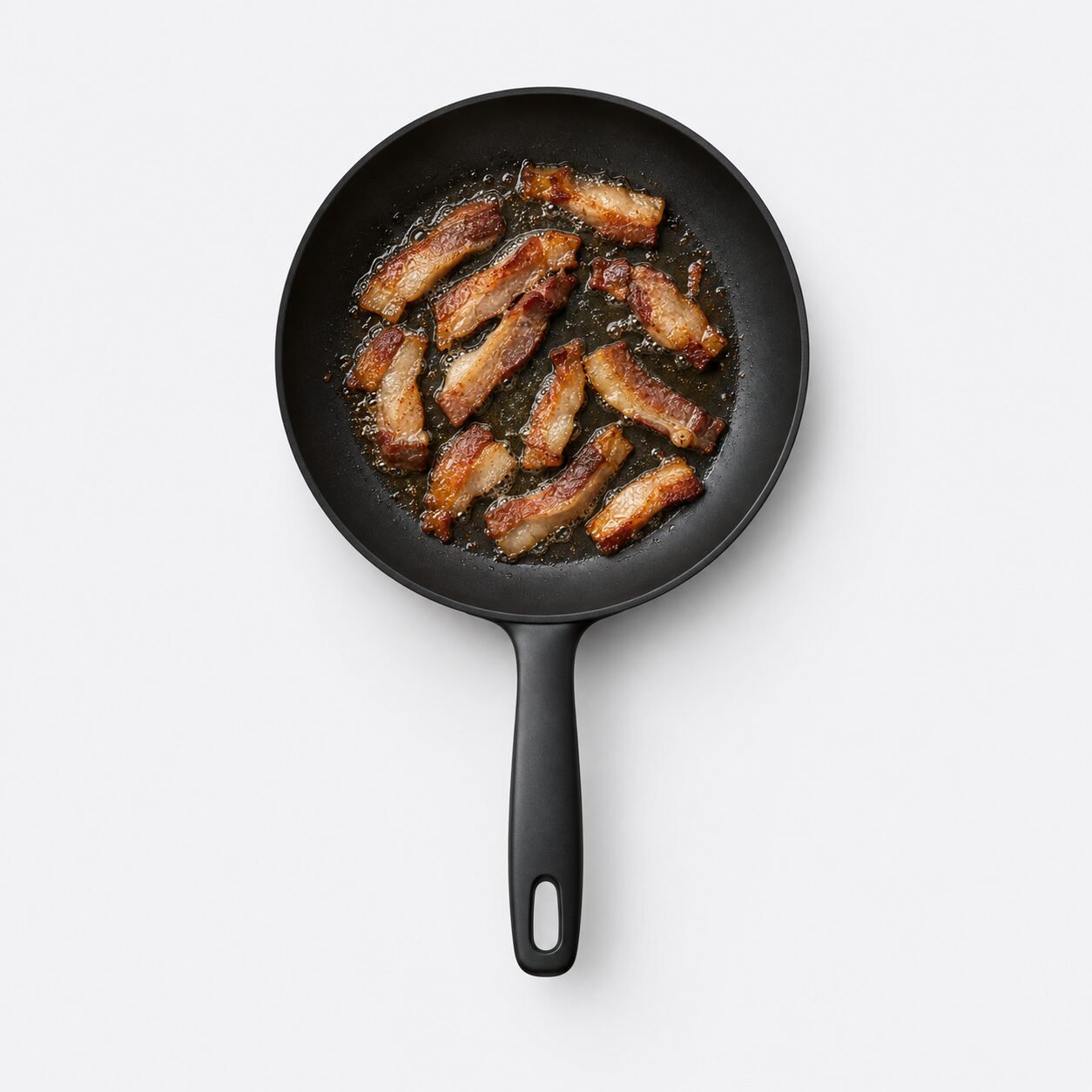
Step 1
Crisp the guanciale.
Render the strips slowly in a cold pan until golden. No oil needed.
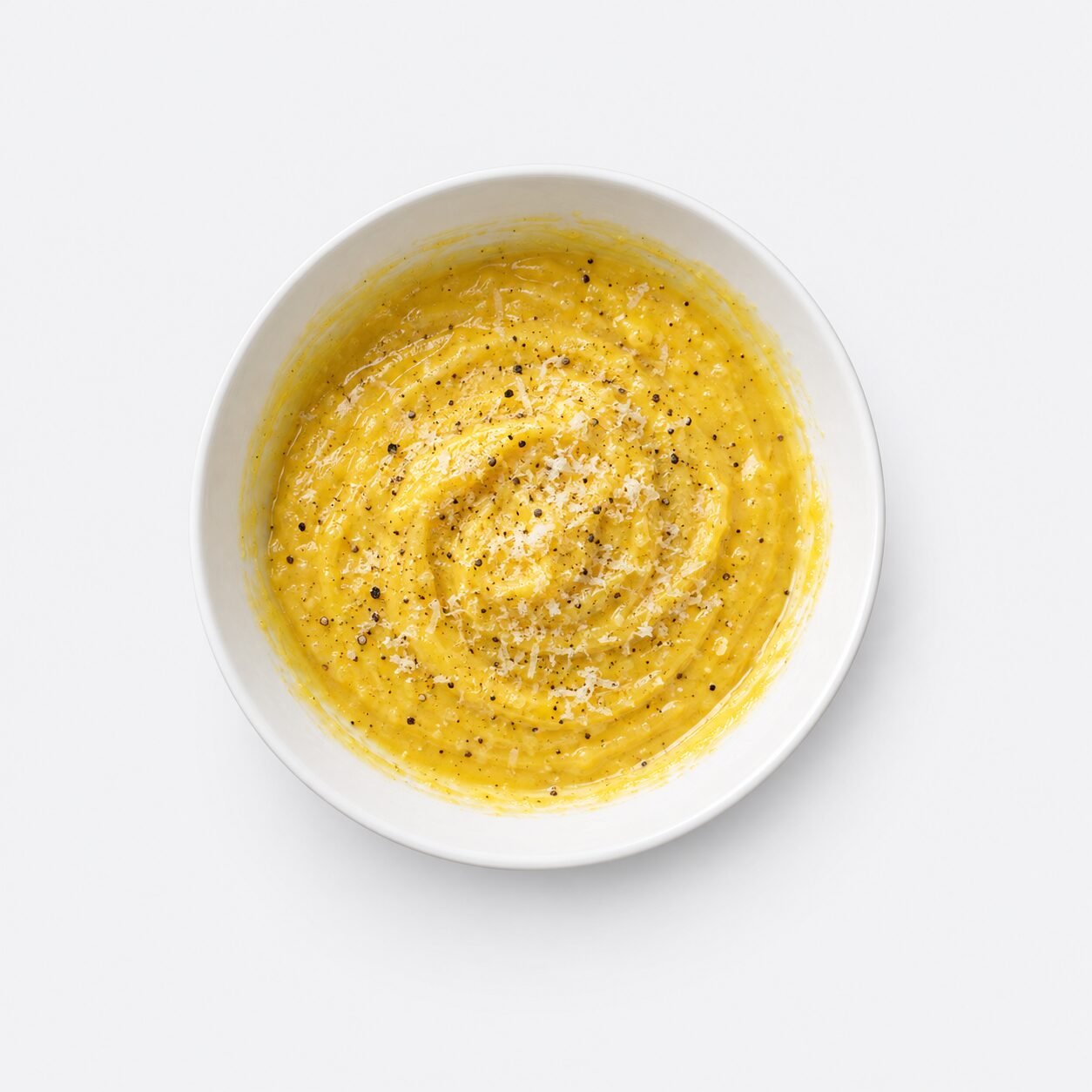
Step 2
Make the cream.
Whisk yolks, egg, Pecorino and lots of pepper into a thick paste.
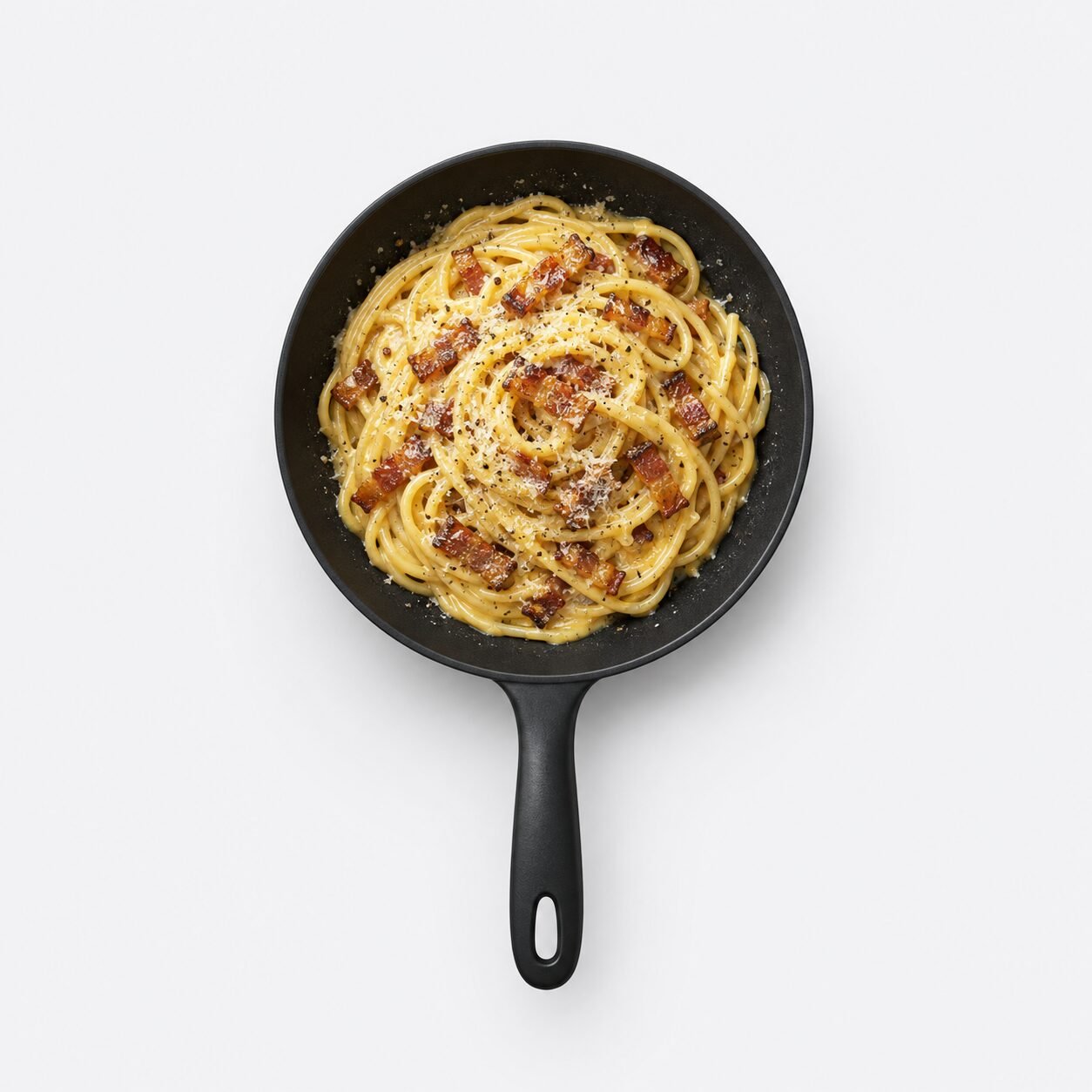
Step 3
Toss off the heat.
Mix pasta, guanciale and egg cream with a splash of pasta water until glossy.
Illustrations created with AI
Recipe
Spaghetti alla carbonara.
Prep 10 min · Cook 15 min · Total 25 min
Ingredients
- spaghetti
- guanciale, cut into short strips
- large egg yolks
- large whole egg
- Pecorino Romano, finely grated, plus more to serve
- freshly ground black pepper, or more
- salt, for the pasta water
Instructions
- Bring a large pot of water to a boil and salt it lightly: the Pecorino is already salty.
- Put the guanciale in a cold large pan, then turn the heat to medium-low. Cook for 8–10 minutes, stirring, until golden and the fat has melted. Turn off the heat.
- In a bowl, whisk the yolks, whole egg, Pecorino and pepper into a thick cream.
- Cook the spaghetti until 1 minute short of al dente. Reserve 1 cup (240 ml) of the cooking water, then drain.
- Add the spaghetti to the pan with the guanciale, off the heat, and toss to coat in the fat. Let it cool for 30 seconds.
- Pour in the egg cream with a splash of pasta water and toss quickly, adding more water a little at a time, until the sauce is glossy and creamy. Serve at once with more Pecorino and pepper.
Sources consulted: Gambero Rosso. Our own text, with US and metric measurements.
What you’ll need.
Large stainless steel pan.
Wide enough to toss the pasta freely.
Microplane grater.
For fine Pecorino that melts without lumps.
Pepper mill.
Freshly ground pepper is the whole point.