Italy · Pasta & noodles
Fettuccine Alfredo.
The original from Rome has only three ingredients: fresh fettuccine, butter and Parmigiano. No cream, and it is unforgettable.
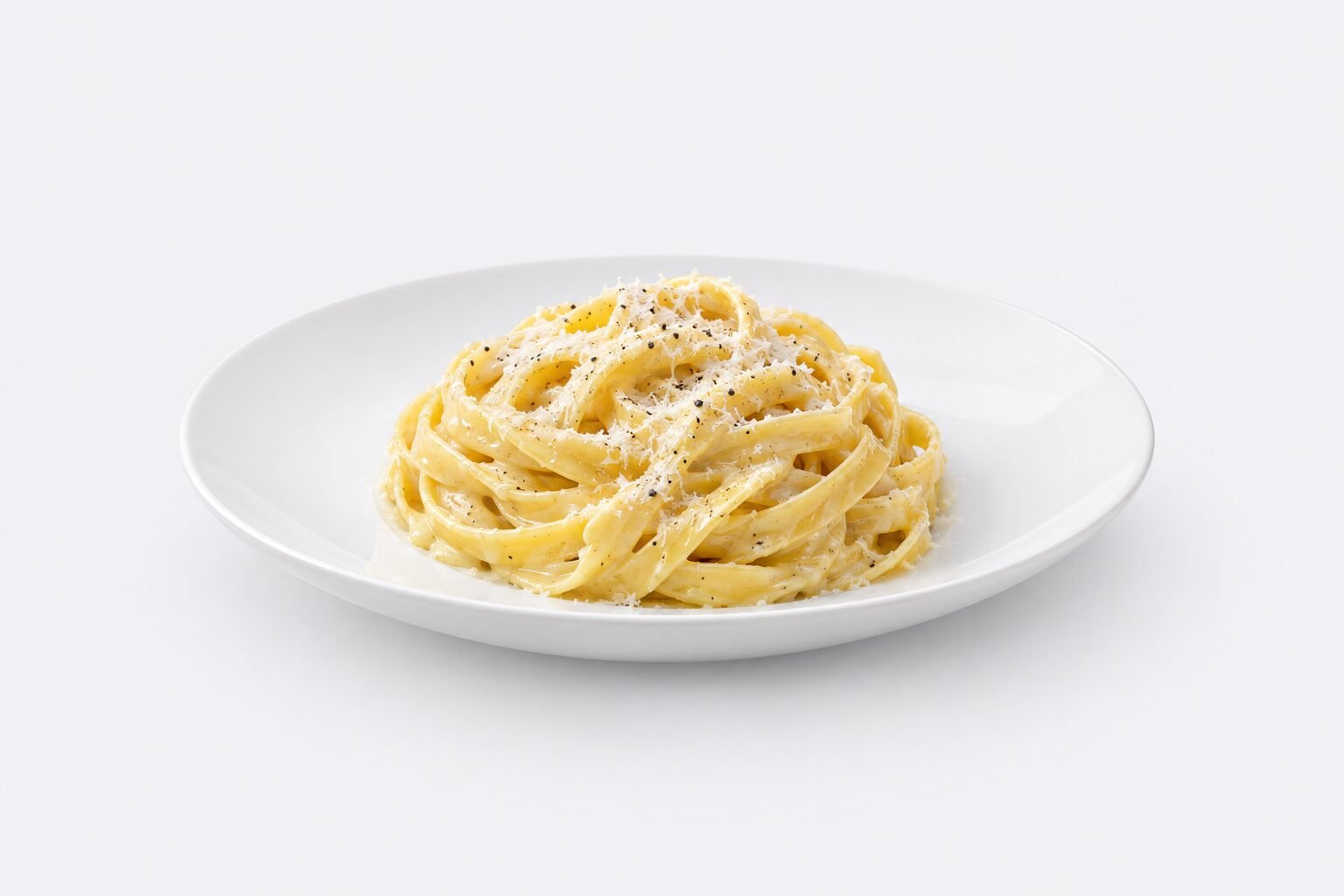
Illustration created with AI
The story of fettuccine Alfredo.
In the early 1900s, Roman restaurateur Alfredo di Lelio made a simple dish of fettuccine with butter and Parmigiano for his wife Ines, who was recovering after giving birth. He served it in his restaurant, tossing the pasta at the table with great showmanship.
In 1920 the Hollywood stars Mary Pickford and Douglas Fairbanks tasted it on their honeymoon in Rome, fell in love with it and took the recipe home. In America, cream was later added to make it easier to reproduce. In Rome, the original never had any.
Origin: Lazio, Italy
Where to find the ingredients in the US.
- Fettuccine: fresh egg fettuccine from the refrigerated section give the silkiest result.
- Parmigiano Reggiano: buy a wedge aged at least 24 months and grate it very finely. Pre-grated cheese will not melt.
- Butter: use good unsalted butter, softened at room temperature.
Three steps. That’s it.
What each stage should look like.
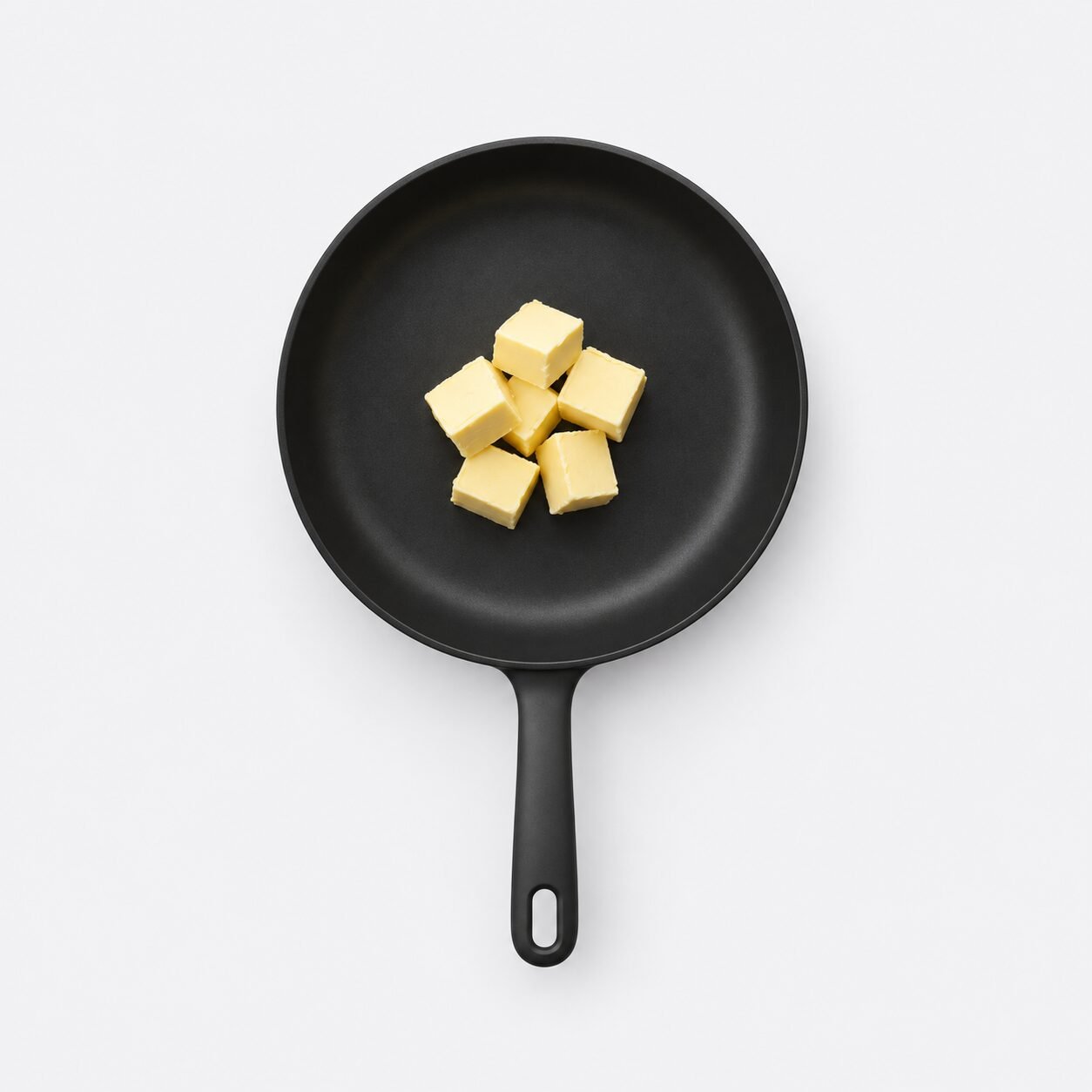
Step 1
Soften the butter.
Put the butter in a large warm pan so it softens without melting completely.
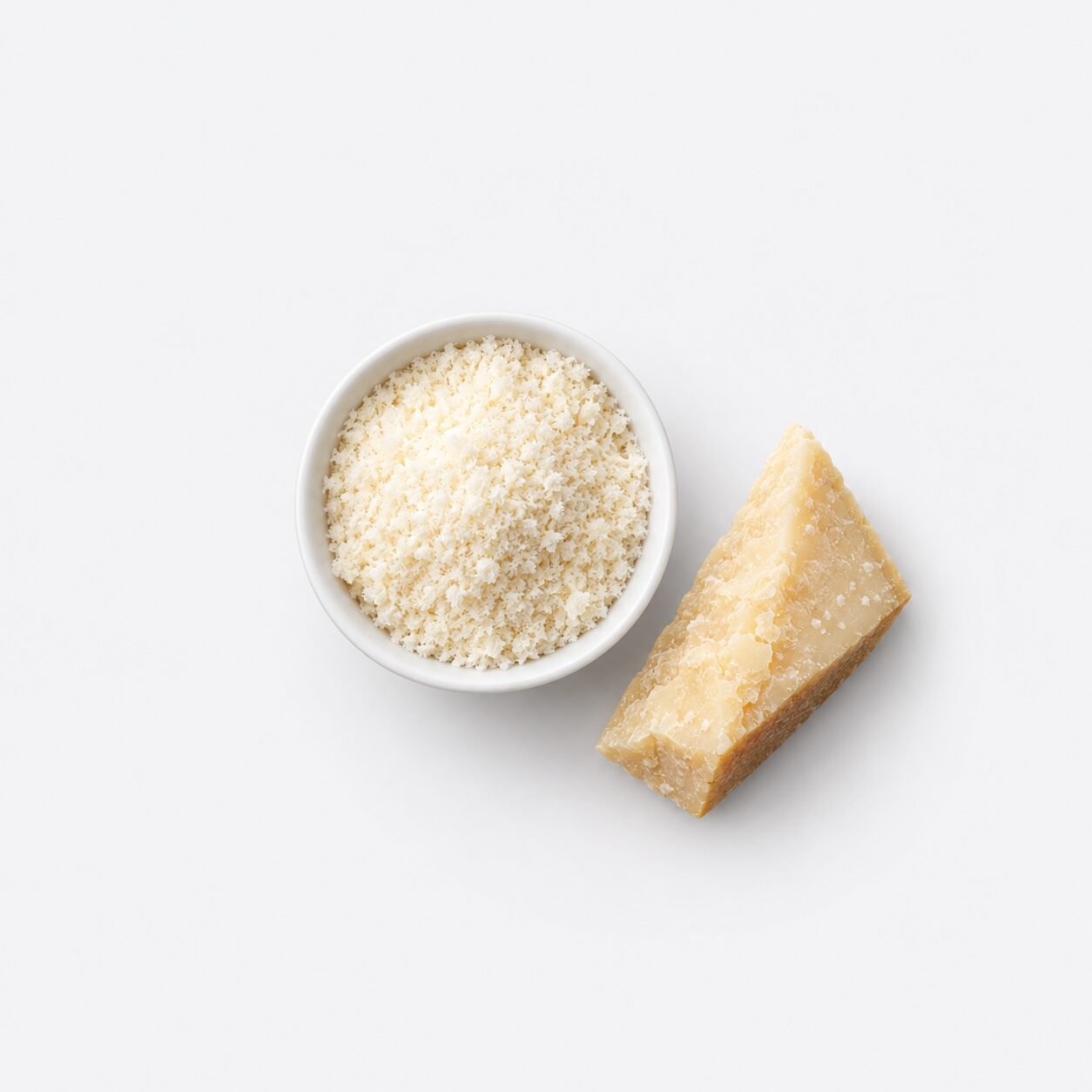
Step 2
Grate finely.
Grate the Parmigiano as finely as possible, almost like snow.
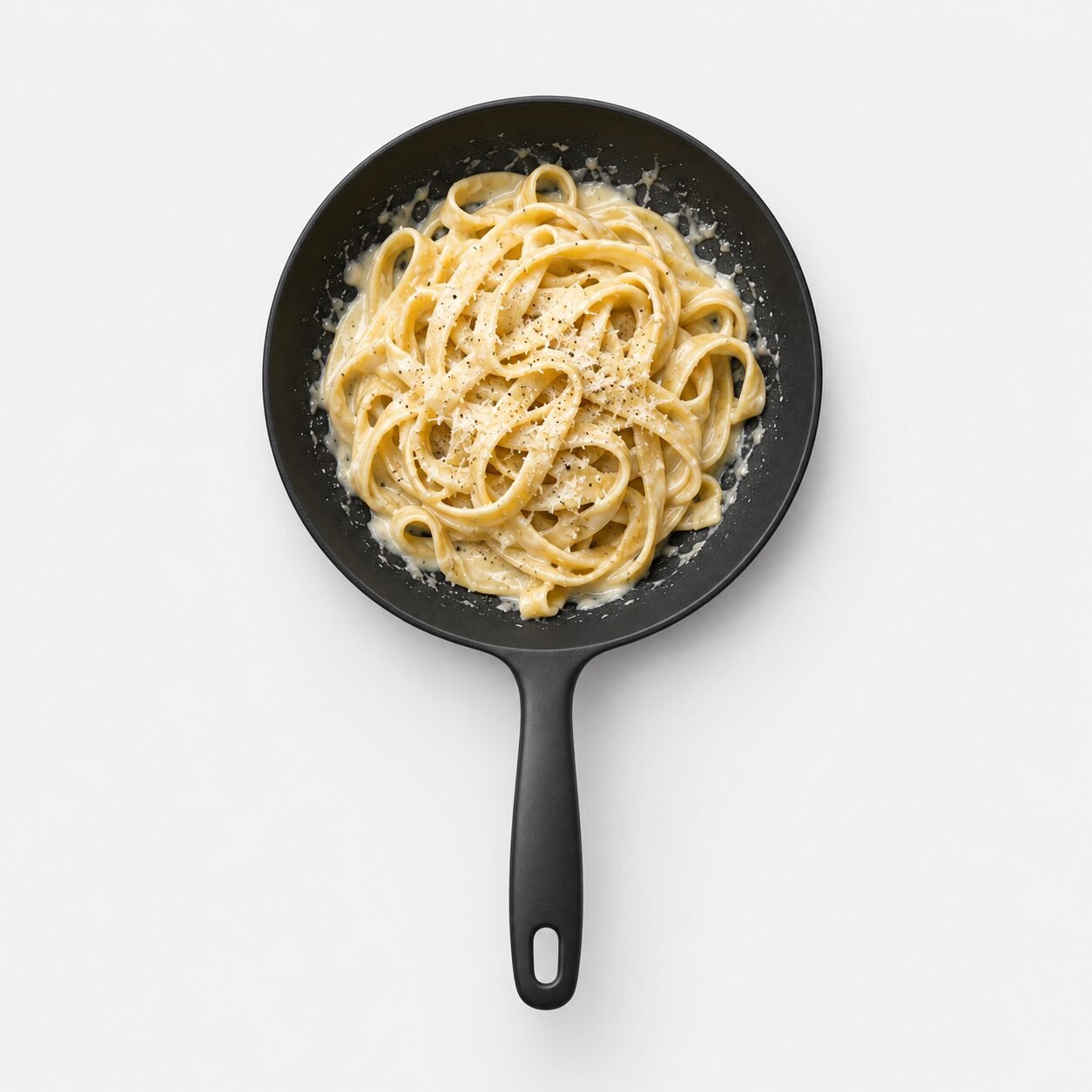
Step 3
Toss with energy.
Add pasta and a little cooking water, then toss until a creamy, glossy sauce forms.
Illustrations created with AI
Recipe
Fettuccine Alfredo.
Prep 5 min · Cook 10 min · Total 15 min
Ingredients
- fresh egg fettuccine
- unsalted butter, softened
- Parmigiano Reggiano, very finely grated
- salt, for the pasta water
Instructions
- Bring a large pot of water to a boil and salt it.
- Put the butter in a large pan or serving bowl and keep it in a warm place, so it softens but does not separate.
- Cook the fettuccine for 2–3 minutes if fresh. Reserve 1 cup (240 ml) of the cooking water.
- Lift the pasta into the pan with tongs, with a splash of cooking water, and toss to coat it in the butter.
- Add the Parmigiano a handful at a time, tossing constantly and adding more cooking water, until the sauce is smooth and creamy.
- Serve immediately on warm plates.
Sources consulted: Gambero Rosso. Our own text, with US and metric measurements.
What you’ll need.
Large sauté pan.
Room to toss the pasta energetically.
Rotary cheese grater.
For a snow-fine Parmigiano that melts instantly.
Pasta tongs.
To move the pasta with some of its water.